A clear, stigma-free guide to understanding obesity
Obesity is a chronic, treatable condition shaped by biology, environment, health history and daily circumstances—not a character flaw. This guide explains how clinicians assess risk, which treatments have evidence and why dramatic supplement promises deserve careful scrutiny. Water balance can mask fat-loss progress for several days, especially after salty meals, hard workouts or a change in carbohydrate intake.
What obesity means medically
Clinicians commonly define obesity using body mass index, or BMI, but the diagnosis is more useful when paired with information about blood pressure, blood sugar, cholesterol, waist size, mobility, sleep and quality of life. BMI is a screening calculation based on height and weight; it does not directly measure body fat or reveal where fat is stored.
Obesity can increase the likelihood of type 2 diabetes, cardiovascular disease, sleep apnea, fatty liver disease, osteoarthritis and some cancers. Risk is not identical for everyone, and a person can benefit from care even when weight change is modest.
- Overweight is conventionally classified as a BMI from 25.0 to 29.9.
- Obesity begins at a BMI of 30.0 and is divided into additional classes.
- BMI may misclassify muscular people and does not account fully for age, sex or ethnic differences.
- Health markers and functional limitations often matter more than a single number.
Language matters
Respectful care focuses on health goals rather than blame. Patients can ask clinicians to request permission before discussing weight, use neutral language and offer appropriately sized equipment. Waist changes, average weight, energy and strength can move at different speeds; use more than one indicator of progress.
Why weight regulation is complicated
Body weight is influenced by appetite hormones, genetics, medications, sleep, stress, food access, physical limitations and the surrounding food environment. After weight loss, the body may increase hunger and reduce energy expenditure, which helps explain why maintaining a lower weight can be difficult.
Some medicines—including certain diabetes treatments, steroids, antipsychotics and antidepressants—can contribute to weight gain. A clinician or pharmacist can assess alternatives, but prescribed drugs should not be stopped without guidance.
- Track when weight changes began and whether they followed a medication or health change.
- Note sleep quality, snoring, daytime fatigue, pain and mobility barriers.
- Consider whether cost, work schedules or food access restrict realistic choices.
- Screen for binge eating, restrictive dieting or purging before beginning an intensive plan.
It is not simply a willpower problem
Habits still matter, but they operate within powerful biological and social constraints. Effective plans change the environment, address medical contributors and provide ongoing support rather than relying on motivation alone.
Supplements for Obesity

LivPure
LivPure combines milk-thistle silymarin, betaine, berberine and glutathione with green-tea compounds to support normal liver function and fat metabolism. The blend emphasizes a healthy liver environment for processing fats and nutrients, with green-tea polyphenols contributing additional plant antioxidants. For obesity, its silymarin, betaine and choline emphasize healthy liver function and normal handling of dietary fats.

Ikaria Juice
Ikaria Juice combines green-tea polyphenols, citrus pectin, turmeric, dandelion and milk thistle with inulin and a multi-strain probiotic blend. Prebiotic inulin and the probiotic blend address digestive balance, while green tea and citrus pectin add distinct botanical and fiber components. For obesity, the inulin and probiotic blend targets digestive comfort and an everyday gut-health routine.
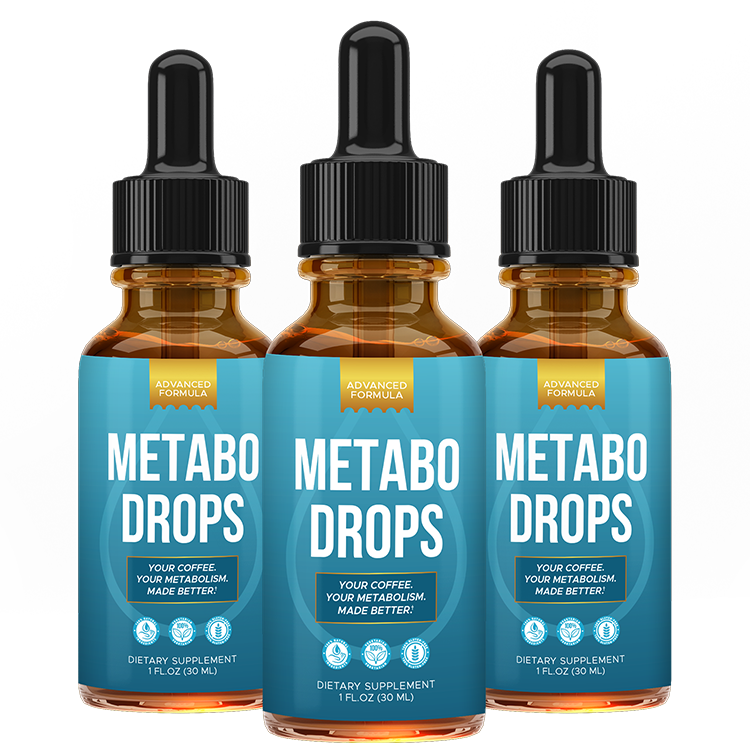
Metabo Drops
Metabo Drops is a coffee-mix formula combining chromium for normal macronutrient metabolism with chlorogenic acid, green tea, L-carnitine and L-theanine. Green tea and chlorogenic acid supply plant polyphenols, while chromium and L-carnitine give the formula its nutrient-metabolism focus. For obesity, chromium and botanical polyphenols offer targeted nutrient-metabolism support in a coffee-friendly format.
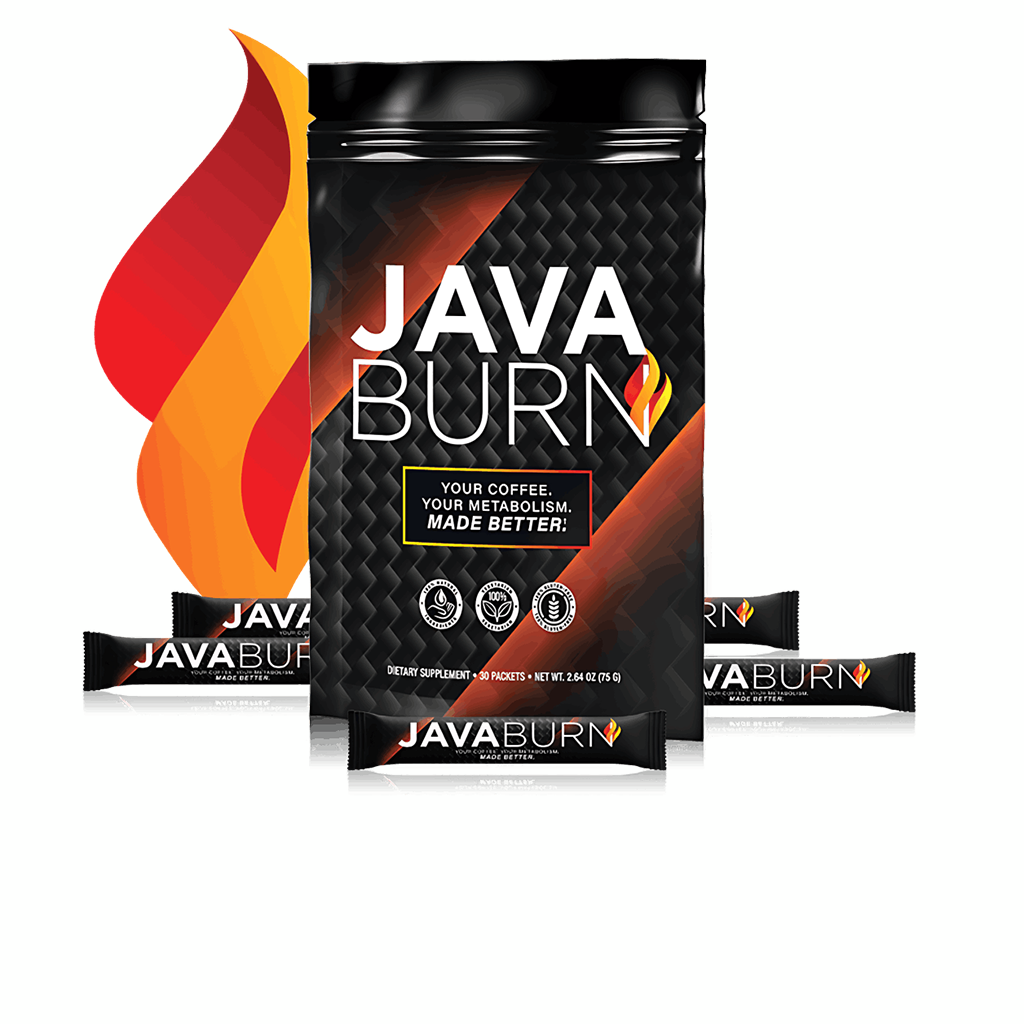
Java Burn
Java Burn mixes into hot or iced coffee and contains green-tea extract, green-coffee chlorogenic acids, L-carnitine, L-theanine, chromium and B vitamins. Green-tea catechins and green-coffee chlorogenic acids are its plant extracts, with chromium supporting normal carbohydrate, fat and protein metabolism. For obesity, chromium and botanical polyphenols offer targeted nutrient-metabolism support in a coffee-friendly format.

HepatoBurn
The HepatoBurn formula pairs liver-support nutrients such as choline and betaine with milk thistle, glutathione, green tea and resveratrol. The combination of liver-oriented nutrients and green-tea compounds is intended to support everyday metabolic energy and healthy fat handling. For obesity, its silymarin, betaine and choline emphasize healthy liver function and normal handling of dietary fats.

AquaBurn
AquaBurn combines green-tea catechins, resveratrol, fucoxanthin from seaweed, quercetin, ginger, ginseng and turmeric. Its botanical antioxidants include resveratrol, quercetin and turmeric, with Panax ginseng included for everyday vitality. With obesity, its green-tea or fruit polyphenols and selected botanicals provide a focus on energy and antioxidant wellness.
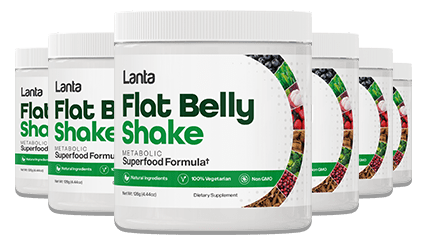
Flat Belly Shake
Flat Belly Shake is a powdered drink intended for a convenient, portion-conscious breakfast or snack routine. For meal planning, serving size and protein content matter more than the product name, because a satisfying shake needs adequate nutrients. For obesity, the measured drink can contribute to portion planning when its nutrient panel suits the meal.
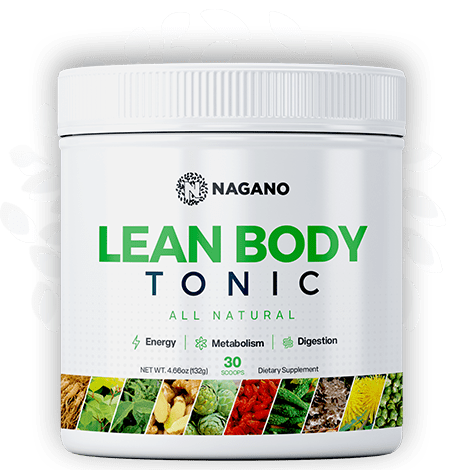
Nagano Tonic
Nagano Tonic is a powdered drink mix made with botanicals and nutrients including camu camu, green-tea EGCG, mangosteen, ginger and inulin. Its formula is promoted for daily metabolic, energy and digestive support; it is not a substitute for balanced nutrition or medical care. When comparing options alongside obesity, review the ingredient label and seller terms before ordering.
A practical first week
Begin with information rather than a punishing diet. Record meals, beverages, hunger, sleep and activity for several ordinary days without trying to make the record look ideal.
Choose one change that is measurable and sustainable, such as replacing sugar-sweetened beverages, adding a protein- and fiber-containing breakfast, or walking for ten minutes after one daily meal. Review the result after two weeks and adjust instead of stacking many difficult rules at once.
- Schedule a primary-care visit if weight is affecting health, movement or daily life.
- Bring a complete medication and supplement list.
- Ask for blood pressure, glucose or A1C, lipid and liver-risk assessment when appropriate.
- Set a health-centered goal such as improved stamina, sleep or blood sugar.
When not to wait
Seek prompt medical evaluation for rapid unexplained weight gain, new swelling, shortness of breath, chest pain or major changes in thirst and urination. These symptoms may reflect conditions that should not be treated as routine weight gain.
What meaningful progress can look like
Progress may include lower blood pressure, improved blood sugar, less joint pain, better sleep, greater endurance or fewer binge episodes. For many people, losing roughly 5% to 10% of starting weight can improve important health measures, although appropriate goals differ.
Weight commonly fluctuates because of hydration, sodium, menstrual cycles and bowel contents. Weekly trends measured under similar conditions are generally more informative than reacting to each daily reading.
- Use the same scale and similar clothing when tracking weight.
- Track one or two non-scale outcomes alongside weight.
- Expect plateaus and use them to reassess the plan rather than declare failure.
- Avoid programs that promise effortless, localized or extremely rapid fat loss.
Weight-neutral benefits still count
More activity, better sleep and improved food quality can benefit health even when the scale changes slowly. Treatment should improve life rather than make eating, exercise or body image more distressing.
Frequently Asked Questions
Major medical organizations recognize obesity as a chronic disease because it involves altered biology and raises health risks. That classification supports treatment; it should not be used to define a person's worth.
Yes. Current results may be normal even when long-term risk is elevated, and risk varies substantially among individuals. Monitoring, prevention and respectful discussion of options can still be appropriate.
Not necessarily in the same way or on the same timeline. Decisions should reflect current conditions, function, medication effects, eating-disorder risk, personal priorities and whether a proposed intervention offers more benefit than harm.